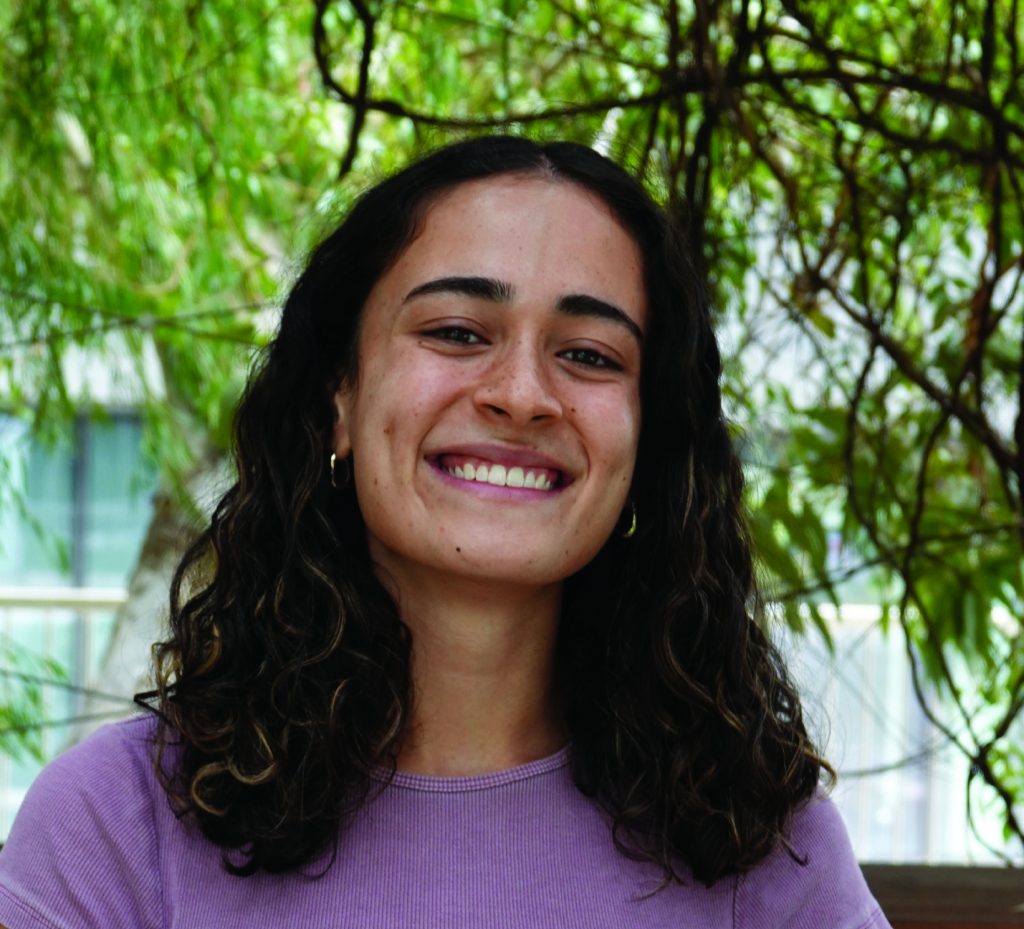
Medical students are often described as the doctors of tomorrow. It is usually said with optimism. A reminder that students in lecture theatres and hospital wards will one day care for our communities.
But I increasingly find myself asking a different question: What do we owe the next generation of doctors?
Medical education is often framed as an investment in the future. Students are expected to work hard and accept that medicine is demanding. But students are also people navigating an increasingly expensive period of our lives.
Through medical school and student representation, I have heard students describe, and experienced myself, the realities of clinical training – travelling long distances; paying for transport and accommodation; and reducing paid work because of compulsory commitments. This is the reality of undertaking full-time, unpaid clinical training while simultaneously paying to participate in it.
There is an uncomfortable contradiction here. We want a medical workforce that reflects the communities it serves and values widening participation. Yet, the financial realities of training can make medicine less accessible to students without a financial safety net.
For some students, it is not whether they can afford another textbook, but another day away from paid work, petrol to placement, rural accommodation, or an elective or research project.
And financial wellbeing is only part of the equation.
Students are also learning to navigate a profession that can feel intimidating. We are expected to ask questions, speak up within the hierarchy, and recognise our limitations while demonstrating confidence.
Creating a culture where students can safely raise concerns cannot simply mean providing a feedback form. We need to know that when students speak, someone is listening – and that speaking will not come at a cost.
Earlier this year, I attended the Australian Medical Students’ Association National Convention in Adelaide, where American paediatric gastroenterologist and medical educator Paul Tran spoke about “Paul’s Pearls”, lessons from his own time as a medical student.
One message stayed with me: Be a North Star for others.
A North Star does not tell someone exactly where to go. It provides a point of reference when someone needs direction or reassurance.
I have been fortunate to encounter doctors, educators and mentors who have done exactly that for me. Sometimes it has been a few minutes of encouragement, an invitation to get involved, an honest career conversation, or simply making me feel that I belonged.
These interactions may feel small to the person providing them. To a student, they can be transformative.
We learn medicine not only through lectures and textbooks, but by watching those around us. We look at how doctors speak to patients, respond to mistakes, treat colleagues, manage difficult situations and, importantly, treat students.
The culture we experience as students becomes the culture we carry into our own practice. This does not mean removing every challenge from medicine. Clinical training should be rigorous, and students should be held to high professional standards.
But rigour and unnecessary hardship are not the same thing.
We should ask whether students can participate in clinical training without financial hardship; raise concerns without fear; access mentorship beyond existing connections; and have wellbeing treated as part of professional sustainability, rather than something they manage privately.
As students, we have a responsibility too. We need to speak honestly about our experiences, support one another, and work constructively with the profession to improve medical education.
But the responsibility cannot sit with students alone.
The doctors who teach us today are helping to shape the doctors who will teach tomorrow’s students. Perhaps, then, what we owe the next generation of doctors is simple. We owe them a profession worth inheriting.
We owe them people willing to be their North Stars – to make the path a little clearer, hold the light when things feel difficult, and remember what it felt like to be a student themselves. Because we are not simply training the next generation of doctors. We are deciding what kind of profession they will enter.