The fifth edition of Good Medical Practice: Professionalism, Ethics and Law provides a much-needed update on what Australian doctors should know to practise medicine well in 2026, writes co-author and former Medical Board of Australia chair Dr Anne Tonkin AO. Prof Helen Milroy from the UWA Medical School is another co-author.
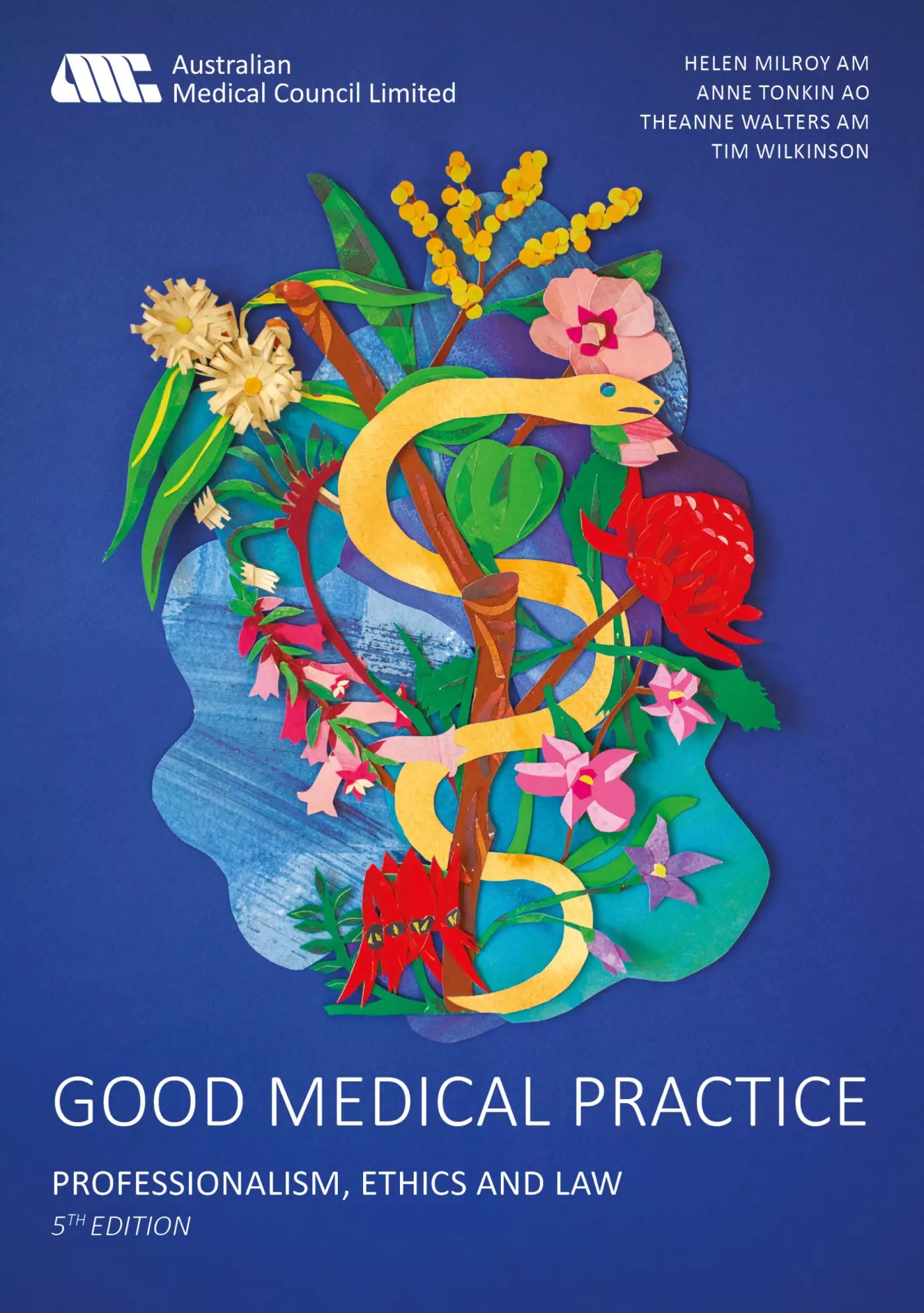 How important is it to have a textbook/reference on ‘good medical practice’ for the next generation of Australian doctors?
The book has been written by many contributors who are all experts in their fields, so it is a compendium of very reliable information that can be readily accessed by doctors facing specific situations during day-to-day practice in Australia.
While doctors today are accustomed to keeping updated online, there is material in this book that would be difficult to find reliably through online searches and sources. The book is very much directed towards medical practice in Australia, while online sources with any American or European references may be misleading, particularly when it comes to regulatory and legal aspects of medical practice.
How much has changed since the publication of the 4th edition?
Much has changed in many aspects of medical practice over the past decade since the publication of the 4th edition in 2015. The most obvious areas relate to information technology (IT), and the role of artificial intelligence in daily life and medical practice in particular, but there have been other changes too.
Many legal aspects of medicine have changed over that time, and all of these have been fully updated in the new edition. Social and professional attitudes and regulatory approaches to difficult areas such as end-of-life care, termination of pregnancy, sexual and professional boundaries, family violence and conflicts of interest have all developed over those years, and are addressed in updated or new chapters.
There have also been changes in thinking about doctors’ health, patient safety, health equity and cultural safety, especially for Aboriginal and/or Torres Strait Islander peoples. These topics have been significantly updated or added to the book.
Finally, there are ongoing changes to professional regulation, including requirements for continuing professional development, and the health system in general, requiring extensive rewriting of the relevant chapters.
What do you believe to be the major workplace challenges of the practising doctor in 2026? What are the risks, and what has stayed (much) the same?
Thinking about the challenges facing young medical graduates in 2026, compared with how things were when I set out on that journey several decades ago, to me the key change seems to be related to the development of IT.
Technology has had a huge impact on medical practice, more in some fields than others, and has brought great benefits but also great risks, mainly related to the potential for downgrading the importance of the human relationship element of medicine. Undoubtedly there will be more change over the coming years, which graduating doctors of today will need to deal with while keeping the fundamentals of medical practice at the forefront of their minds.

Dr Anne Tonkin AO
At this point, the rapid development in IT has been a double-edged sword – it is wonderful to be able to look up esoteric facts very easily, or check drug doses, or remind oneself about a tricky interpretation of an investigation; but, on the other hand, IT has given rise to many potential ethical dilemmas.
How do I respond to a ‘friend request’ from a patient on social media? Should I vent my feelings to my friends on social media after a long and difficult shift? Do I need to self-censor the photos and memes that I post on my personal account, just because I am a doctor? Is it ethical and safe to ‘cut and paste’ progress notes from one follow-up visit, or even one patient, to another? Are AI-based ‘scribe’ platforms safe to use ethically? Is it safe and ethical to work in an algorithm-based prescribing service, without ever interacting with the patient other than via an online form requesting a certain prescription?
I also sometimes wonder whether the fundamental approach to patient care has changed because of some of these applications of IT – is the patient’s welfare still the primary focus for all clinicians?
What has stayed the same is the need for doctors to interact with people seeking their help with respect, kindness, thoroughness, skill and knowledge. The 5th edition of Good Medical Practice addresses all these issues.