I would be the first person to acknowledge that this column is pretty ‘useless’. It provides information that’s esoteric, hard to apply, forgettable, and effectively written for my own amusement more than anything else.
A cannier author may learn from this, and try to make the column more generalisable and applicable to the everyday reader. I, on the other hand, am doubling down by wasting your time writing about a country whose wines are barely even exported outside their borders, solely because (conflict permitting) I will be travelling there in a few weeks.
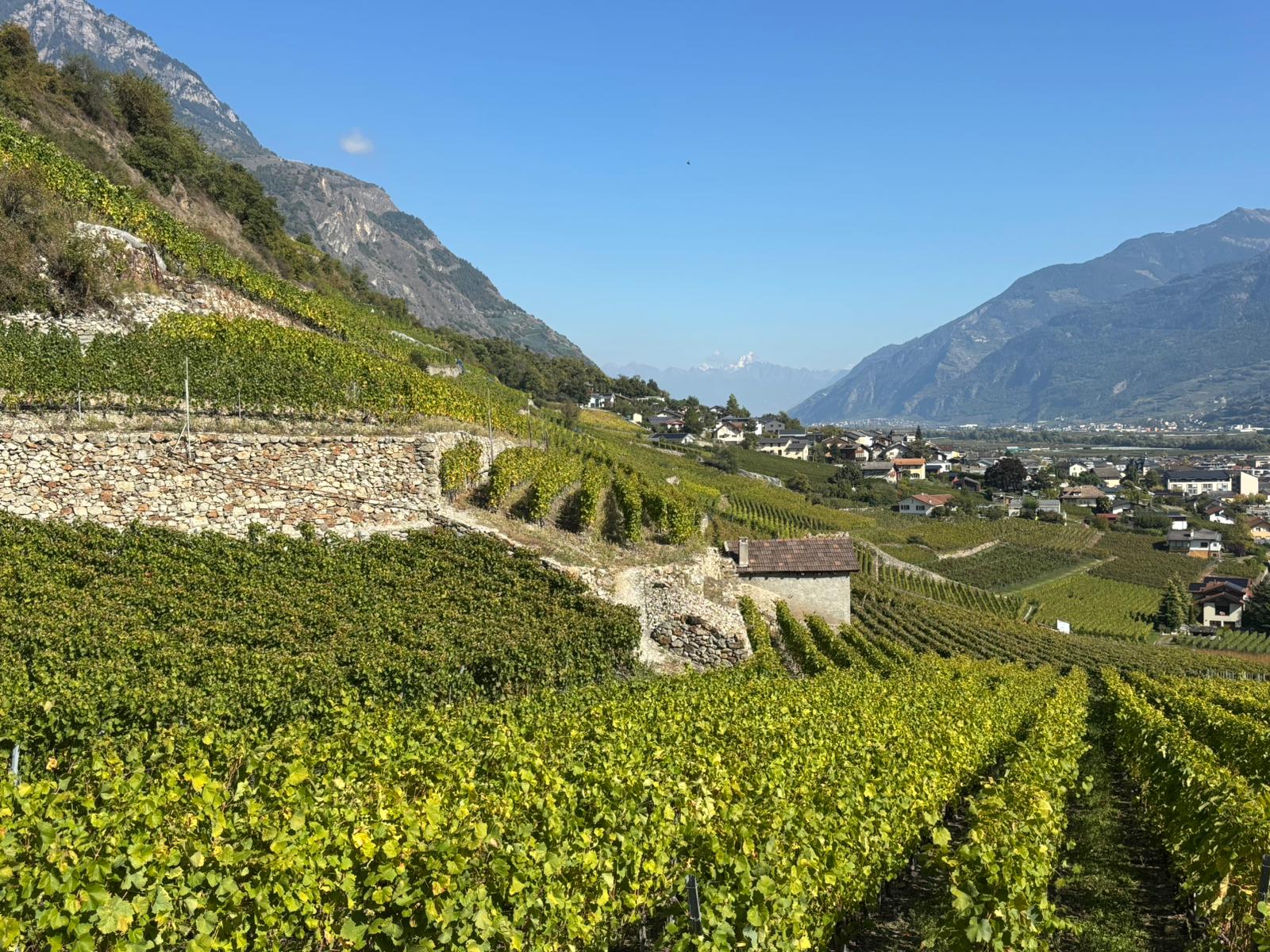 It may be true that Switzerland is not known for great wine, but this is not due to its poor quality. Rather, the Swiss guard their wines like their gold bullion and only export 1-2% of their total production, with most of that heading to Germany. It’s actually a country rich in wine history, with viticulture extending back at least as far as the 1st century CE. There is even some evidence that, in the more Southern regions bordering Italy, wine grapes may have been cultivated as far back as the Iron Age.
These days there are six main wine-producing regions: Ticino pokes its way into Italy; Vaud and Geneva are surrounded by France off to the West; the ‘Three Lakes’ sits a little above them; and the romantically named “German-speaking Switzerland” region sits around Zurich. The Alps dictate the climate; and just like the geography, can be incredibly variable not just from canton to canton but also between neighbouring valleys, leading to an impressively diverse production for such a small output.
Of the roughly 15,000ha under vine, there is a roughly even mix of red and white varieties. Pinot noir is the most widely planted grape and, due to the cool climate, these tend towards the more elegant and lighter-bodied end of the spectrum. It is most widely planted in German-speaking Switzerland, often going by the name ‘Blauburgunder’ which literally means Blue Burgundy. As an aside, in Germany, Pinot noir often goes by ‘Spatburgunder’ which means Late Burgundy – but for some reason the Swiss took the more Austrian terminology.
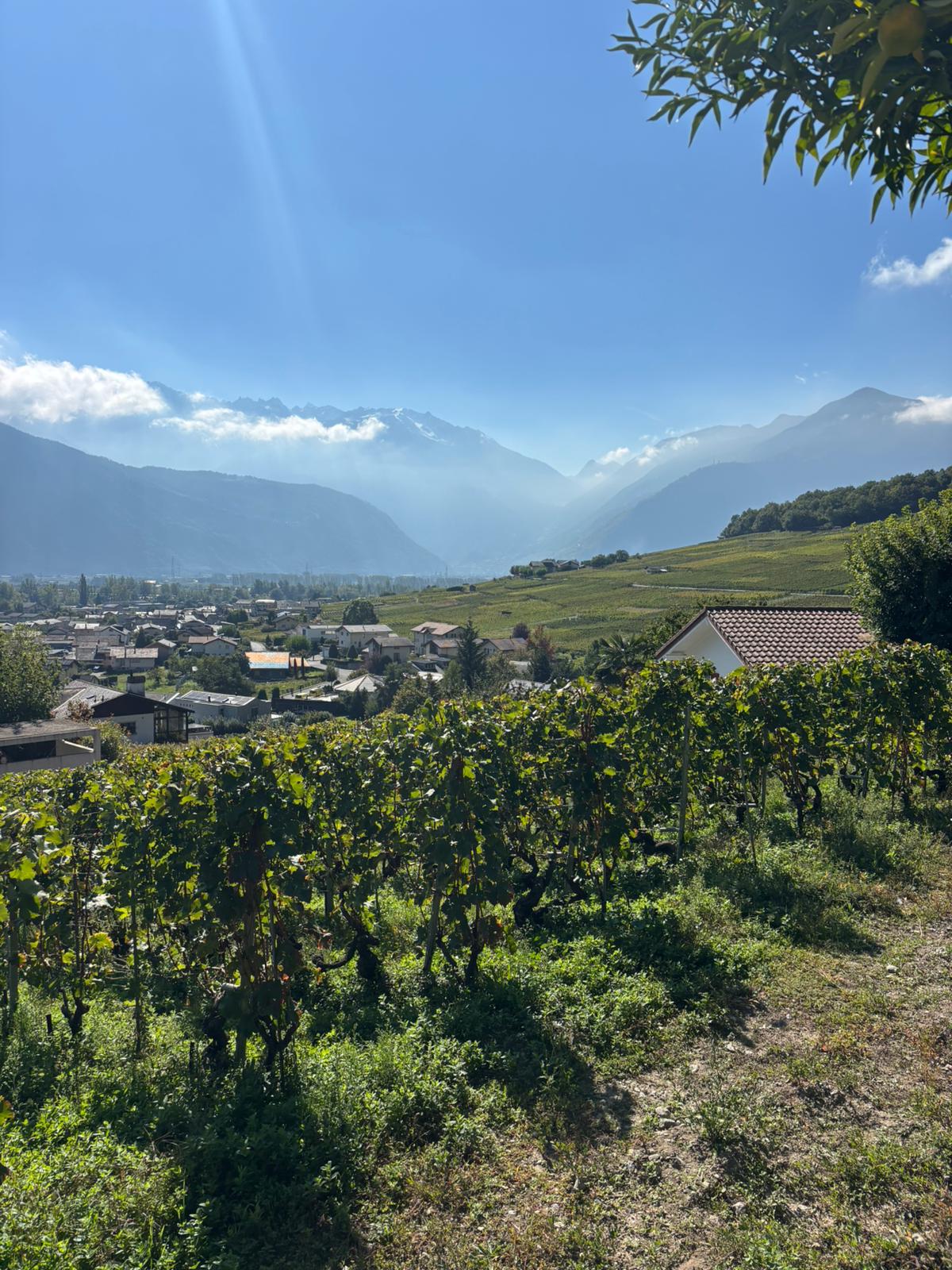 The most common white is Chasselas, which is not a grape I’m at all familiar with. Genetic analysis points to it being indigenous to Switzerland, but it is widely grown in an assortment of countries including Portugal, Hungary, Chile, and Croatia as well. Light to medium bodied, it reportedly has a subtle apple flavour, with a saline/mineral finish and goes very well with fondue. Beyond these two mainstays, Ticino is famous for bold Merlot, a bit of gamay can be found around Geneva, and a smattering of other exotic indigenous varieties such as Cornalin and Humagne Rouge provide further local character.
The steep, terraced vineyards and high altitude lead to a strong diurnal variation, with intense sunlight and cool nights. This combination allows for reasonable fruit ripening, while still preserving good acidity. Most are family producers, farming on tiny plots, with lineage that can sometimes be traced back generations.
Unfortunately, the generally high production costs associated with the terrifying terrain and high living standards (i.e. they actually pay people decent wages) mean the wines don’t exactly scream “value” – but given the uniqueness of variety, climate and history, it’s definitely worth drinking local while travelling through the Confoederatio Helvetica… if there happens to be a sudden outbreak of stability in the Middle East, that is.