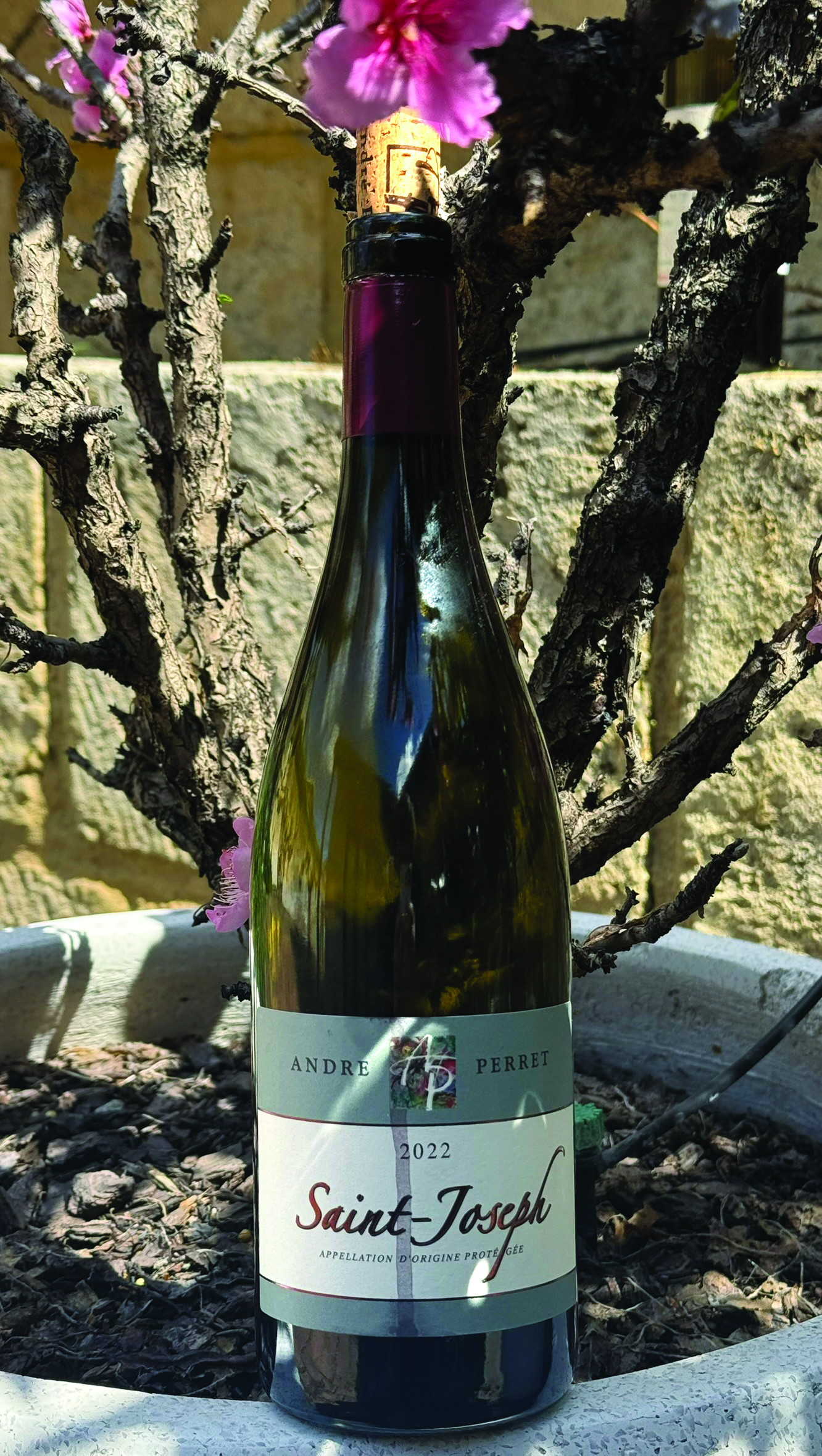
Andre Perret Saint Joseph: Made exclusively from grapes in the Northern Rhone, this hits those savoury notes as described, with crushed leaves and pepper balancing the dark fruits.
I have never been much of a linguistic prescriptivist. I’m a great believer that language is a fluid and constantly evolving delight – with neologisms and varying pronunciation providing a snapshot of time and place just as much as what the words actually “say”. The language around wine is no different, perhaps best demonstrated in the name of Australia’s most widely drunk red – Shiraz.
Shiraz is fruity, dark, often quite boozy; sometimes slightly sneeringly referred to as “sunshine in a glass”. It’s the stuff of Australian legend and the backbone of Barossa’s Penfolds Grange, unquestionably Australia’s most famous wine internationally. Yet, in the vineyards outside Australia, Shiraz is virtually unheard of. That’s not to say it isn’t grown beyond our girting seas, but to almost everyone else it simply goes by the name Syrah.
Syrah is Shiraz, and the true reason we differ has likely been lost to time. One story goes that Australia named Shiraz after the former capital of the Persian empire under the Achaemenid dynasty which produced something called Shirazi wine, and that this was eventually brought to France during the Crusades.
The man who returned with the cuttings was said to have settled as a monk and put himself up as a hermit on a hill, which is now the centre of quality Syrah in France – Hermitage. Unfortunately, almost all Persian wine from that time was reportedly white.
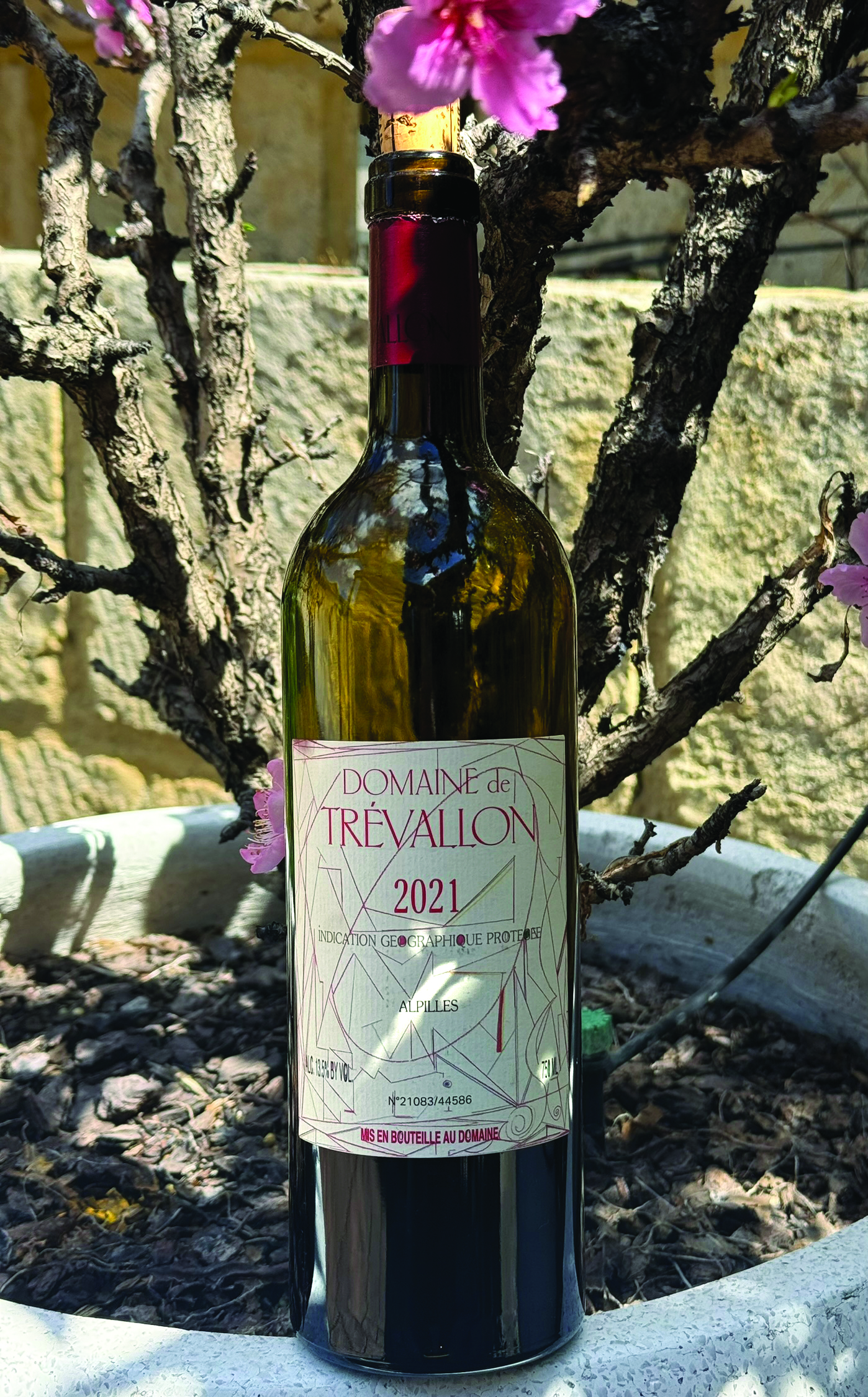
Trevallon Alpilles: “Like A Penfolds 389 by way of France”, this 50/50(ish) blend of Cabernet and Shiraz, with a bit of Marsanne and Roussanne thrown in for good measure, is incredibly indulgent with rich chocolatey tannins, ripe blackberries and sweet spices.
Beyond that, science – ever the spoilsport of tall tales – seems to point to much more mundane origins, with DNA evidence showing Syrah/Shiraz as a cross of two old French varieties common in the southwest of France in the 1800s. One other idea for the name is that the earliest imported vines to Australia were labelled as Scyras (presumably as a misspelling of Syrah) and with the “strong Australian accent”, eventually evolved to Shiraz.
Whatever the case, in the bright sun of the Barossa, Shiraz does indeed produce full-bodied, beautifully ripe, and occasionally jammy blackberry-infused spicy tastiness. In its spiritual home in the northern Rhone, wines veer toward medium bodied with a more savoury character and potentially some blue fruits. With these differences in mind, some people see Shiraz as having something of an image problem, perceived as being a massive fruit-bomb for lawyers to brag about spending $1,000 on.
And thus, our language continues to evolve. With plantings expanding into more moderate Australian regions (with notable great examples from Murrumbateman, Frankland River and the town of Lethbridge), there has been something of a resurgence in naming things Syrah in Australia. There are no rules around this, but the vague idea is that despite being the same grape, if it’s labelled a Syrah it tends toward the lighter and more savoury French style, while Shiraz remains as bright and fruity as ever.
Maybe France is just seen as more marketable than the Middle East when it comes to alcohol. Either way, it’s never a bad idea to familiarise yourself with a bottle – probably while poring over an ancient map and appreciating the glorious fluidity of language. Oh, but if you say ‘haitch’ you’re dead to me.