Consider a patient who has three apparently successful healthcare encounters in a month: treatment for urinary symptoms, a repeat prescription, and advice about fatigue. Each professional addresses the problem in front of them. Yet who asks whether the symptoms are connected, whether the medicines interact, or why the patient keeps returning?
Every encounter can be appropriate, while the patient’s overall care falls apart.
This is what fragmentation looks like: not the involvement of multiple clinicians, but the absence of connected information, continuity, and clear responsibility for the whole person.
As Australia debates expanded scopes of practice for pharmacists, nurses and allied health professionals, the conversation often centres on access: who can do what, and how quickly? But more entry points do not automatically make a more connected system.
In specialist general practice, it means managing undifferentiated symptoms; recognising when an apparently simple presentation is something more serious; balancing competing conditions and medicines; knowing when not to intervene; and carrying clinical responsibility through uncertainty and over time.
A consultation for a sore knee may also be the moment a GP notices deteriorating mood, medication side-effects, or an emerging chronic illness. The value lies not just in treating the knee, but in knowing the patient.
That is not a claim that only GPs deliver valuable care. It is a recognition that general practice cannot be measured simply by counting tasks others could perform.
We know patients rarely present with one neatly isolated condition. The Australian Institute of Health and Welfare estimates that 38% of Australians were living with two or more long-term conditions in 2022. Their health needs do not arrive in separate compartments, even if our services increasingly do.
The Australian Bureau of Statistics exposes an uncomfortable measure of fragmentation.
“ We see the value of continuity every day in general practice. Knowing a patient over time allows us to recognise subtle changes, understand their circumstances, and make decisions with a fuller picture of their health.
In 2024-25, among people who saw three or more health professionals for the same condition, 28.8% said no professional helped coordinate their care. Another 16.3% reported problems caused by poor communication between professionals. Behind these numbers can lie duplicated tests, conflicting advice, missed follow-up, and the exhausting expectation that patients will coordinate their own healthcare.
Continuity is not merely a pleasant feature of general practice.
A systematic review found that 18 out of 22 studies associated greater doctor continuity with lower mortality. We see the value of continuity every day in general practice. Knowing a
patient over time allows us to recognise subtle changes, understand their circumstances, and make decisions with a fuller picture of their health.
In Norway, a study involving more than 4.5 million people found that longer GP–patient relationships were associated with fewer hospital admissions and lower mortality. While this
does not establish cause and effect, it reinforces the importance of continuity and why we must ensure it is not lost as we introduce new models of care.
Every new model should answer four practical questions:
That requires interoperable records, escalation pathways, team-based care, and funding that supports longer, complex GP consultations. We must measure coordination and patient outcomes, not simply the number of encounters delivered. If we expand scope while hollowing out the depth of general practice, individual appointments may become easier to access, while the patient’s journey becomes harder to navigate.
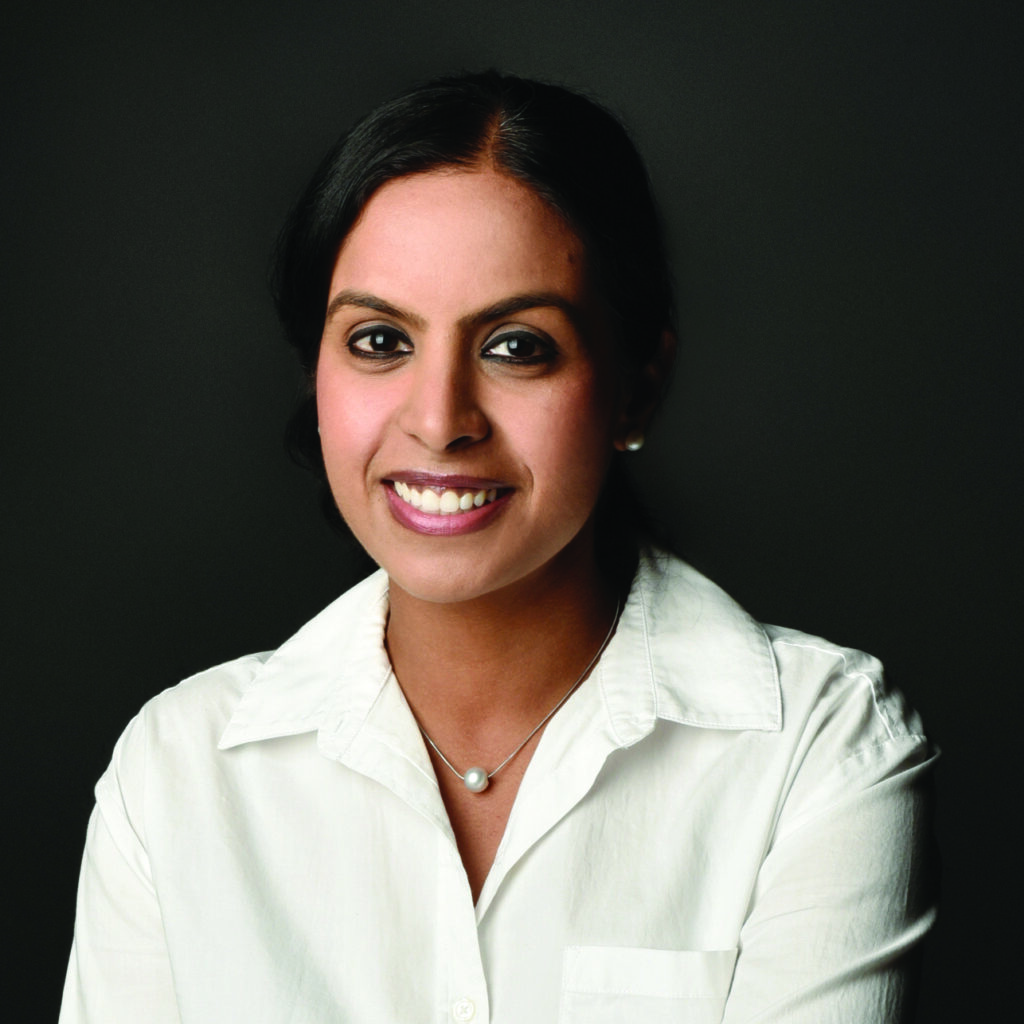
Dr Raman, an AMA (WA) councillor, will assume the role of president at the RACGP’s Annual General Meeting on Thursday 19 November 2026, at the end of current President Dr Michael Wright’s two-year term.
A specialist GP, practice owner, medical educator, academic, and experienced College leader, Dr Raman has served the RACGP in a range of senior leadership roles, including as RACGP Vice President and Chair of RACGP Western Australia.
The AMA (WA) congratulates Dr Raman on her election to this significant role.
References available on request.